
Overview
We’re planning the next stage of Hopetoun’s energy future with the replacement of ageing wind turbines to maintain and grow renewable energy contributions for this unique coastal community on the edge of the Fitzgerald River National Park.
Hopetoun’s existing wind turbines have played an important role in reducing reliance on diesel generation and cutting local emissions. Given the age of these assets, Horizon Power is now assessing the feasibility of replacing them with modern, efficient solutions.
We’re exploring options that will help increase renewable energy generation, support decarbonisation goals, and maintain the reliability and affordability of Hopetoun’s power supply well into the future.
Regions first
As an early adopter of wind power in WA, Hopetoun continues to lead the way in renewable energy. The Hopetoun Future Energy System Project will build on this legacy by delivering modern, efficient technology that creates new opportunities for local businesses and keeps Hopetoun at the forefront of innovative clean energy solutions.
Using the latest energy tech
We’re exploring advanced wind technology, with options to integrate solar and battery systems for a more reliable, hybrid energy solution.
Driving lower emissions
Upgrading Hopetoun's wind turbines and other renewable energy technology will reduce diesel use, lower carbon emissions, and help protect the region’s botanically significant Fitzgerald River National Park.
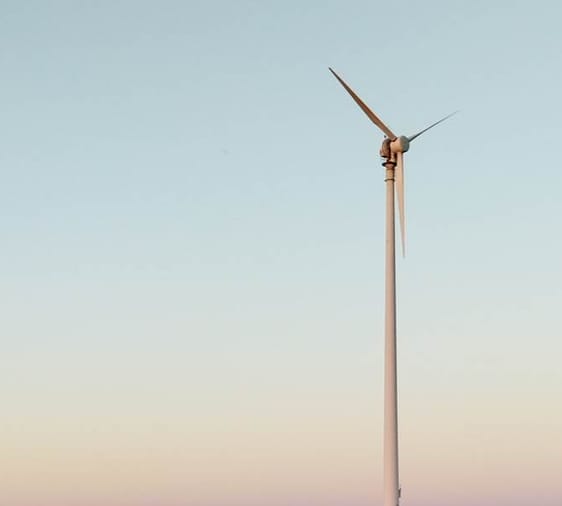
How does Hopetoun's current system work?
Hopetoun’s hybrid energy system includes wind turbines and diesel generation, working together to deliver reliable power to the community. Over the years, the wind turbines have played a key role in reducing diesel use, cutting local emissions and helping keep power costs stable for this coastal town.
On average, the wind turbines supply around 40% of Hopetoun’s electricity needs, avoiding hundreds of thousands of litres of diesel use and preventing significant CO₂ emissions each year.
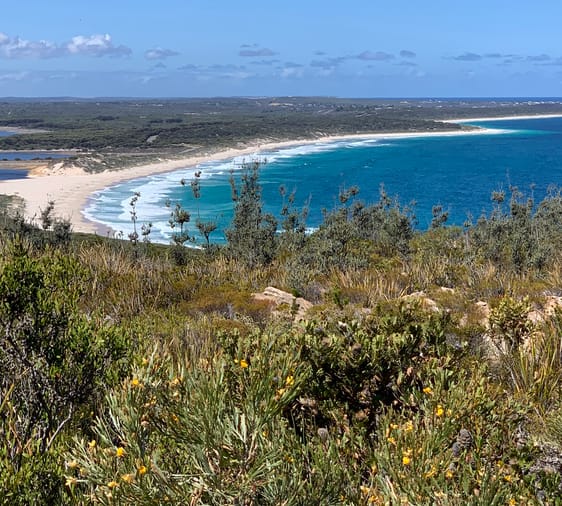
What's happening now?
We’re in the options assessment and community engagement phase of the project. This includes technical analysis, economic modelling, and early engagement with Traditional Owners, residents and key stakeholders in the Hopetoun area.
An Expression of Interest (EOI) was issued July 2025, seeking input from technology providers to inform the design of the wind element of Hopetoun's future wind generation system.
We’ll continue to share updates and consult the community as planning progresses.
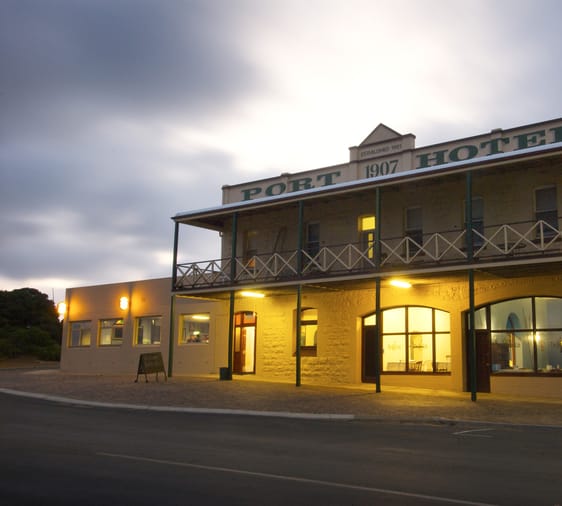
Community collaboration
We’re using Horizon Power’s Future Energy Framework to work closely with local residents, Traditional Owners, businesses, and government agencies to co-design solutions that reflect Hopetoun's unique character and aspirations.
This includes considering local land access, heritage values and the broader vision for a cleaner, more sustainable energy future for the south coast region.
Frequently asked questions
Yes. Hopetoun’s wind turbines are fully integrated into the town’s standalone microgrid, which supplies electricity exclusively to the local community. The turbines are not connected to the broader grid and are dedicated to helping meet Hopetoun’s energy needs, working alongside diesel generation to provide reliable power.
Hopetoun’s wind turbines were installed in 2004 and 2007 and are now reaching the end of their operational life. While they’ve played a valuable role in reducing diesel use and supporting cleaner energy, their age means they are becoming less efficient and more costly to maintain.
Replacing them with modern technology will help ensure Hopetoun continues to benefit from reliable, renewable energy as part of a secure and sustainable power system.
Yes, the new turbines planned for Hopetoun are expected to be more efficient than the existing ones. Overall, the replacement of Hopetoun's wind turbines is anticipated to bring about increased efficiency and reliability, contributing to the town's sustainable energy future.
Hopetoun will benefit through the increased generation and use of clean, renewable energy leading to a reduction in fossil fuel consumption, and improved energy reliability. Upgrading the wind turbines will ensure the community maintains a significant renewable energy contribution and reduces long-term operating costs. The project is also designed to accommodate future population growth and demand.
The current phase includes community consultation, engineering assessments, and heritage and environmental surveys. Once a preferred solution is selected and all regulatory approvals are in place, the project is expected to take approximately three years to complete.
We're currently exploring the feasibility of recycling components from the existing turbines, including assessing which parts can be recycled, identifying the nearest suitable recycling facilities, and evaluating the costs involved.
We are currently exploring solution options which may include a combination of wind, solar and battery energy storage.
What's happening and when?
Here's a high level timeline of what to expect, subject to change as the project progresses.
Horizon Power acknowledges the Traditional Custodians throughout Western Australia and their continuing connection to the land, waters and community. We pay our respects to all members of the Aboriginal communities and their cultures; and to Elders past, present and emerging.
Aboriginal and Torres Strait Islander people are advised that this website may contain images, names or voices of deceased people.