Planning for the future in Carnarvon
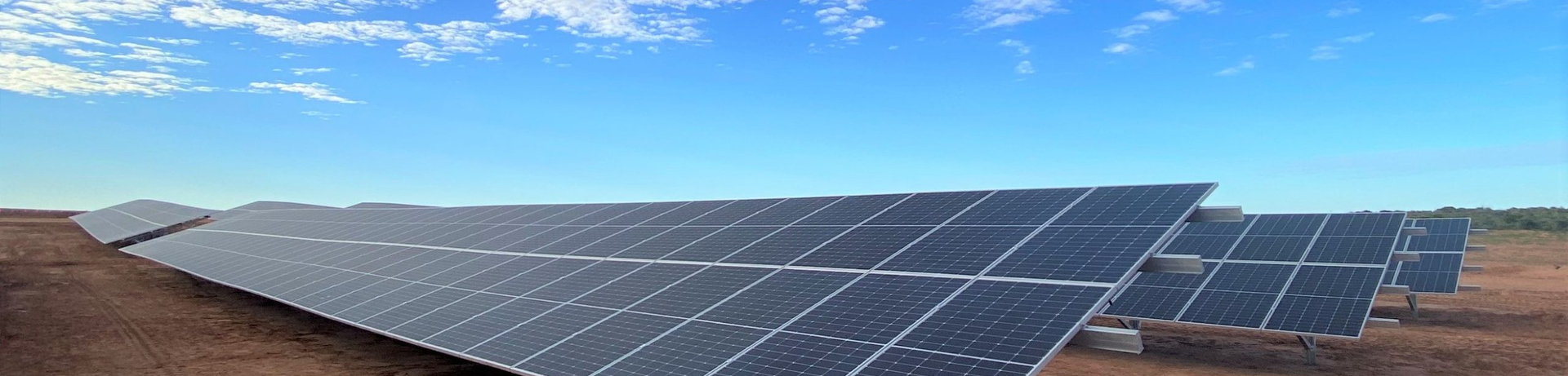
Through our Future Energy System (FES) Planning framework, we’ll be exploring options for Carnarvon to transition to more renewables and decrease carbon emissions. This project is exploring large-scale renewable options, including wind, and more solar and battery storage, to reduce reliance on gas and diesel generation. To do this, we’ll engage with local communities and Traditional Owners to determine long-term energy solutions that best meet the community’s need.
Carnarvon
In progress
Driving lower emissions
How does Carnarvon's current system work?
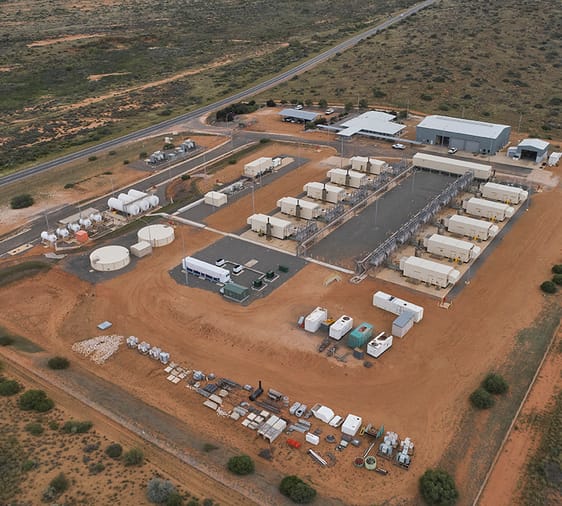
Carnarvon’s power supply is generated using a mix of diesel and gas generators, solar energy, and battery energy storage systems (BESS), all controlled from the Horizon Power-owned Mungullah Power Station.
While this hybrid system incorporates renewable energy sources, Carnarvon remains one of Horizon Power’s top seven carbon-intensive systems. It produces approximately 23,600 tonnes of CO₂ emissions annually, accounting for 3.9% of Horizon Power’s total emissions based on the 2020 baseline.
This level of emissions highlights the urgent need for larger-scale renewable solutions to reduce Carnarvon’s carbon footprint and improve sustainability outcomes for the region.

Community engagement
Communities are at the heart of our Future Energy System planning framework and ensure active participation among all stakeholders, including residents, Traditional Owners, businesses, and community groups throughout the process.
We consider community aspirations, existing infrastructure, and factors like land, heritage, and the environment to align planning with Carnarvon's unique characteristics.
Our approach includes informing, consulting, incorporating input, and communicating back to the community. A range of engagement methods will be used ensuring all stakeholders have an opportunity to contribute.
What's happening now?
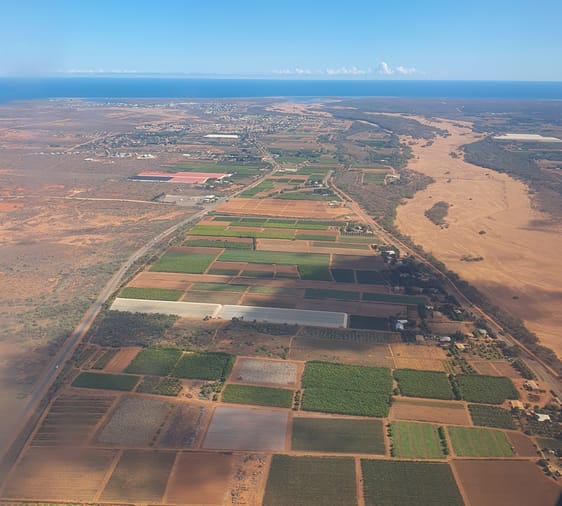
We’re currently in the Future Energy System options analysis phase for Carnarvon. This involves detailed technical and financial assessments, market testing, engineering studies, land evaluations, community and stakeholder engagement, and environmental and heritage due diligence.
As planning progresses, we’ll continue to share updates and work closely with the Carnarvon community and Traditional Owners to ensure the future energy system meets local needs.
What does this mean for the community?
Cleaner, greener
We’re investigating renewable energy options to reduce carbon emissions.
Regions first
Ensuring we develop long-term solutions aligned with the unique characteristics and interests of the community.
Frequently Asked Questions
To achieve this goal, we’re prioritising towns that emit the highest levels of carbon emissions and are powered primarily by fossil fuelled generators using gas and diesel.
In Horizon Power’s service area across regional and remote WA, Carnarvon is one of the highest carbon emission towns, producing about 23,600 tons of carbon dioxide per annum which is equivalent to 3.9% of Horizon Power’s total emissions (2020 Baseline Emission).
Decarbonisation solutions look at cleaner energy sources like solar and wind generation, coupled with battery energy storage. Consideration must be made to ensure products are technologically and commercially readily available. In the initial stages of the project, we’ll assess which of these generation types are most viable for the Carnarvon community’s energy requirements.
As we progress the solution design for the future energy system, the technical considerations and economic viability may mean that some generation types cannot be part of the final solution.
If you'd like to leave feedback, complete the feedback form above.
Future Energy System planning framework is a public process in which Horizon Power works together with our communities and stakeholders to identify and explore energy options to shape their future energy system.
We engage and inform local communities, Local Government Authorities, Traditional Owner groups and key stakeholders to determine long-term energy solutions that best meet their needs. This includes seeking support on acquiring land on which to build the generation facility. We work to balance the demand, reliability and future energy needs of our towns with the voices and opinions of those who help make it a community.
Yes. The availability of land that can be used is a crucial factor in determining the future energy solution.
Renewable generation facilities such as a wind or solar farm require far larger footprints of land compared to a diesel- or gas-powered facility. The amount of land available determines the percentage of the town’s energy generated from renewable sources.
If we are unable to acquire land, we substantially reduce the amount of renewable generation options available for the town.
Planning for a future energy system is complex and takes time and community engagement to gather opinions and thoughts. If the recommended system is approved for delivery, construction would likely commence in 2028.
Wind turbines generate electricity by capturing the natural power of the wind. Their large blades spin in the wind, driving a generator that produces electricity which is fed into the grid.
Carnarvon is being considered for wind power because its energy system currently relies heavily on fossil fuels, making it one of Horizon Power’s most carbon-intensive towns. Adding wind energy could help reduce carbon emissions, improve energy security, and support the transition to more renewable and reliable power sources. Studies are also assessing local wind conditions to confirm if turbines can make a meaningful contribution to Carnarvon’s electricity supply.
Community engagement and feedback will be critical in assessing whether wind energy is suitable for Carnarvon, helping to shape decisions that balance local needs, environmental outcomes, and future energy security.
The shortlisted site is bounded by Harbour Road to the north, Carnarvon Road to the south, North West Coastal Hwy to the east and Cornish Street to the west.
No. Horizon Power is in discussions with landowners and relevant authorities. No final agreements have been made yet, but securing suitable land is a key next step.
Access planning includes flood risk management. We’re using local flood modelling data to ensure safe and reliable access routes.
Turbine placement will meet strict noise and distance guidelines to minimise impact on residents. Detailed modelling will inform exact locations.
Turbines are designed to withstand extreme weather, including cyclones. Safety systems allow them to shut down and lock in high winds.
We love this idea! We’ll consider ways to make the project a point of pride for Carnarvon.
What's happening and when?
Here's a high level timeline of what to expect, subject to change as the project progresses.
Horizon Power acknowledges the Traditional Custodians throughout Western Australia and their continuing connection to the land, waters and community. We pay our respects to all members of the Aboriginal communities and their cultures; and to Elders past, present and emerging.
Aboriginal and Torres Strait Islander people are advised that this website may contain images, names or voices of deceased people.